
Building a Legacy of Impact Through the Arts
Rooted in purpose and driven by impact, our legacy reflects years of dedication to advancing the arts and uplifting young creatives.
Who We Are
The Society, Incorporated is a non-profit national organization of women dedicated to enhancing, exposing, and promoting youth in the arts for the betterment of our communities. We are bonded in friendship and service to encourage and support youth who are talented in the arts. With a focus on under-served children, we provide support for young literary, visual, and performing artists.
Our organization was founded in May 1983 by four women who conceived the idea of organizing a group of professional women who shared the goals of friendship and service. The outcome of their efforts was the establishment of The Society, Incorporated as an organization to promote friendship among members and serve as a resource in the arts for young people.
Today we have chapters in over 35 cities across the U.S. providing scholarships, grants, stipends, and other opportunities to help young people experience the exciting dimensions of artistic expression..
Our Mission
To promote friendship and social exchange among members; to function as a resource for young people in the arts; and to promote educational, civic and cultural experiences within the community.
Our Vision
To help students connect and integrate artistic concepts across multiple art forms; and to encourage students to explore their inherent abilities in the arts to illuminate aspects of themselves.

Our Founders, Our Foundation
With vision and determination, our founders set in motion a movement that
continues to uplift, inspire, and empower generations through the arts.
Our History
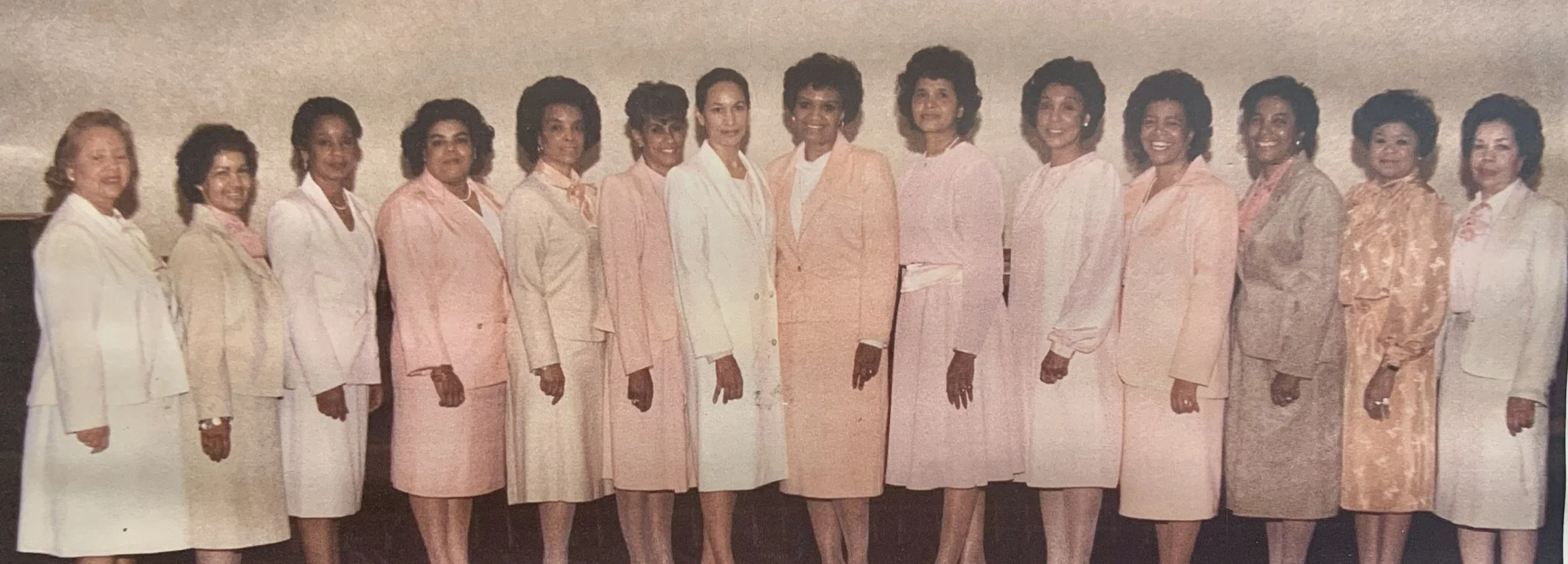
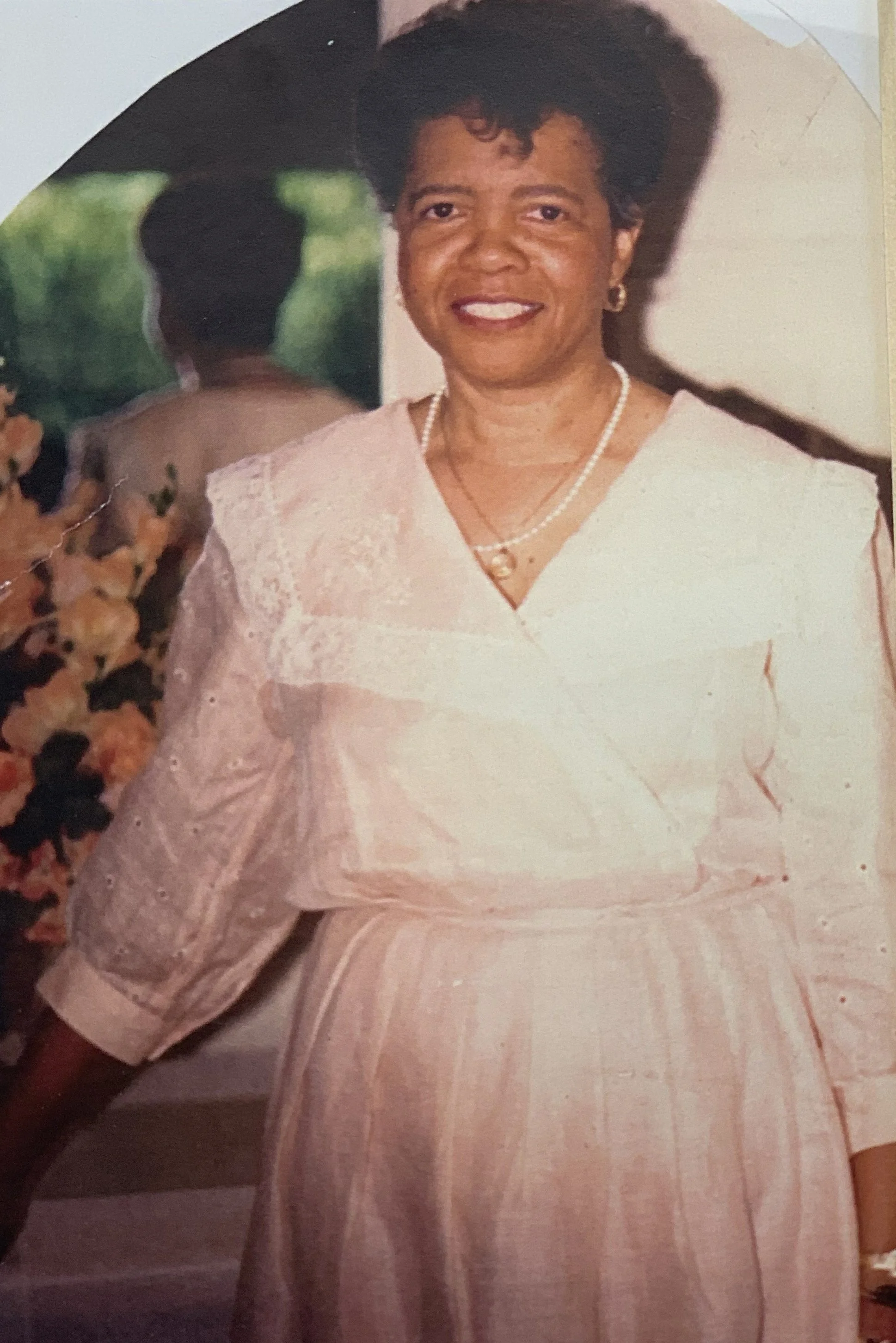
The vision for The Society, Incorporated began with Celeste Burton, who envisioned a small, national organization rooted in elegance, intentional fellowship, and meaningful service. She brought this vision to life alongside Davetta Madison, Myrtle Roane, and Dorothy Patton. Together, these four founders worked collaboratively to design the structure, framework, and culture of an organization grounded in authentic relationships and a shared commitment to the arts.
 In 1983, as the founders refined their vision, twelve women
answered the call to join them as Charter Members, strengthening the organization’s early foundation and expanding its reach. These Charter Members were Jean H. Dobbins, Alyce F. Gaither, Carolyn H. Hyman, Dr. Judine B. Johnson, Frances W. Moore, Anna Pendergrast, Patricia Robb, Patricia Quick, Dolores Spaulding, Patricia Stocks, Evelyn Reid Syphax, and Ethel L. Reid Walker. Their collective dedication and leadership played a vital role in shaping the organization’s direction and impact.
In 1983, as the founders refined their vision, twelve women
answered the call to join them as Charter Members, strengthening the organization’s early foundation and expanding its reach. These Charter Members were Jean H. Dobbins, Alyce F. Gaither, Carolyn H. Hyman, Dr. Judine B. Johnson, Frances W. Moore, Anna Pendergrast, Patricia Robb, Patricia Quick, Dolores Spaulding, Patricia Stocks, Evelyn Reid Syphax, and Ethel L. Reid Walker. Their collective dedication and leadership played a vital role in shaping the organization’s direction and impact.
That same year, the first official chapter meeting was held in Washington, D.C., where Dr. Johnson was elected as the first chapter president. With leadership established, The Society quickly became a recognized local organization with a clear and compelling mission: to foster meaningful friendships among members while serving as a resource in the arts for young people.
A defining moment came when artist Ethel Lee Walker helped solidify the organization’s focus on supporting and showcasing talented youth in the arts. This vision became the cornerstone of its programming, guiding a range of enrichment initiatives, performances, and showcases that elevated student talent and broadened access to artistic opportunities within the community.
As the organization grew, it maintained a strong public presence through impactful service and cultural programming. In 1985, The Society achieved nonprofit status, marking a significant milestone in its evolution and positioning it for continued growth. With a series of successful programs and a clearly defined mission, members began laying the groundwork for national expansion.
Committees were formed to guide this next phase, focusing on building a sustainable and scalable organizational structure. Members developed key governing documents, including a Constitution and Bylaws, established membership guidelines, identified a national signature program aligned with their mission, and created procedures for chartering new chapters. They also formalized elements of the organization’s identity, including its logo and symbolic flower.
What began as a thoughtful vision among a small group of women has grown into a dynamic and forward-moving organization. Today, The Society continues to uplift young artists, strengthen communities, and build a legacy rooted in friendship, culture, creativity, and purpose.